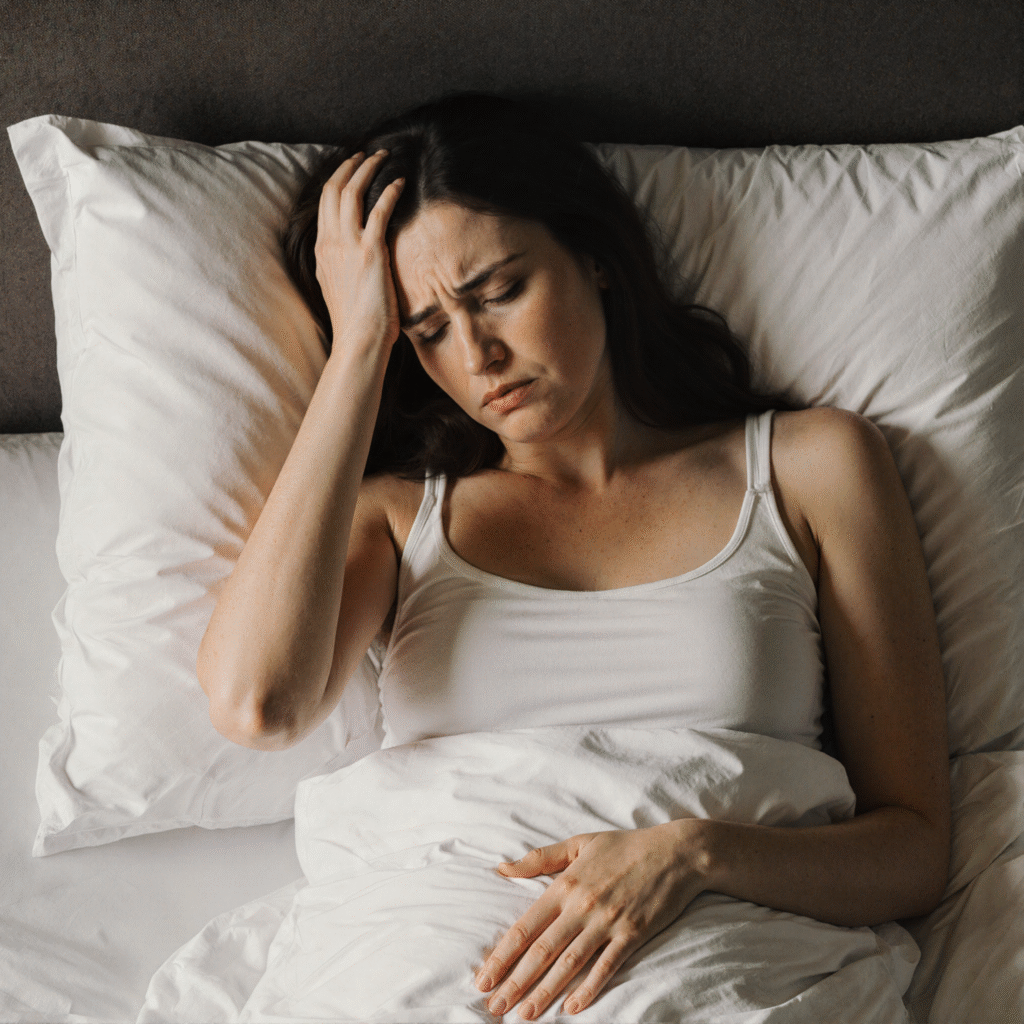

Sexuality isn’t just about who you’re with or how you experience intimacy—it’s at the core of who you are. It influences every relationship in your life, including the most important one: the relationship you have with yourself.
You may feel your libido has disappear during perimenopause or menopause. You’re not broken. As the name implies, it’s a pause! See it as a transition and a new stage in your life to rediscover your body.
To improve your sexual experiences and deepen intimate relationships, you must first connect with yourself—and, more specifically, with your own sexual nature.
Why You Might Not Feel Turned On
Many women have never truly explored their sexuality. For years, many will ride the waves of their hormones without really stopping to consider: what genuinely brings them pleasure? This is a perfect time to explore what your body really enjoys—what arouses you and makes you feel good.
Most of us learned about sexuality through pop culture, which often centers around male experiences of arousal. It’s common for women to wonder why it takes longer for them to feel turned on. This is because most women have what’s called “responsive desire”—they become aroused in response to stimuli rather than spontaneously. So, taking time to tune in to what brings you pleasure is key.
During perimenopause, it’s normal to notice that it takes even longer to become aroused. Instead of feeling frustrated, get curious! Your body might be telling you, “What used to work doesn’t anymore—find what does.” Exploring this can be fun, whether you’re doing it alone or with a partner.
Emotions and Sexuality
The emotional upheaval that comes with perimenopause is often due to hormonal changes affecting your nervous system. Many women have learned to repress emotions like anger, sadness, and grief, labeling them as “negative.” But all emotions are important and help guide us through life.
When you ignore your emotions, your body feels unsafe, triggering stress hormones. And when stress hormones are high, your body won’t prioritize sexual desire. Developing a healthy relationship with all your emotions can open the door to a deeper sense of pleasure.
Pelvic Health and Sensuality
Estrogen plays a vital role in keeping our skin, joints, and tissues healthy and hydrated. With less estrogen during perimenopause, issues like joint discomfort and vaginal dryness can arise. But you can take charge of your pelvic health! Whether it’s through Pilates, yoga, or pelvic floor exercises, staying active is key. You might also explore options like estrogen therapy or vaginal moisturizers to maintain comfort.
Boredom and Reconnection in Relationships
If you’re losing interest in sex, it might be because you’re simply bored. Rather than giving up, think of this as a chance to explore something new with your partner. Communication is the foundation of intimacy—be open about your needs and desires, and you’ll find that your sex life can become much more exciting.
Reclaiming Rest and Pleasure
There’s a cultural narrative that women in midlife are “over the hill” and grumpy, but that’s far from the truth. What many experience, however, is burnout. Exhaustion will naturally dampen your libido, so it’s essential to prioritize rest. Try integrating practices like yoga nidra, a form of deep relaxation, into your routine.
Start with your senses. Tune into what brings you sensual pleasure, from touch and taste to sound and smell. Healthy pleasure can rejuvenate your nervous system, while unhealthy habits like excessive caffeine or alcohol might do the opposite.
Explore Your Desire
Everyone has their own unique erotic blueprint—what turns you on and off. Spend time discovering yours. Great resources include Emily Nagoski’s Come As You Are or Jaiya’s Erotic Blueprint Quiz. The more you know about your own arousal patterns, the better you can communicate them with a partner.
Healing and Self-Discovery
If old trauma surfaces during this phase of life, it’s important to seek support. Somatic therapy, which connects body and mind, can help you process emotions in a healthy way. Working with a coach or therapist can also guide you toward embracing all your emotions, helping you step into a fuller, more vibrant version of yourself.
Embrace Change in Exercise and Lifestyle
As we age, our bodies require different types of exercise. High-impact activities can increase cortisol (the stress hormone), so try to shift towards lower-impact, resistance-based exercises that balance your hormones and reduce stress. Stacy Sims’ work on exercise for women in midlife offers great insights.
Have Fun and Put Yourself First
Exploring your pleasure is a journey, and there’s no rush. Whether you dive in on your own or seek support through a coach or group, get curious about what works for you. Putting yourself first isn’t selfish—it’s an act of self-preservation. By caring for yourself, you’re setting the foundation for thriving in the second half of life.